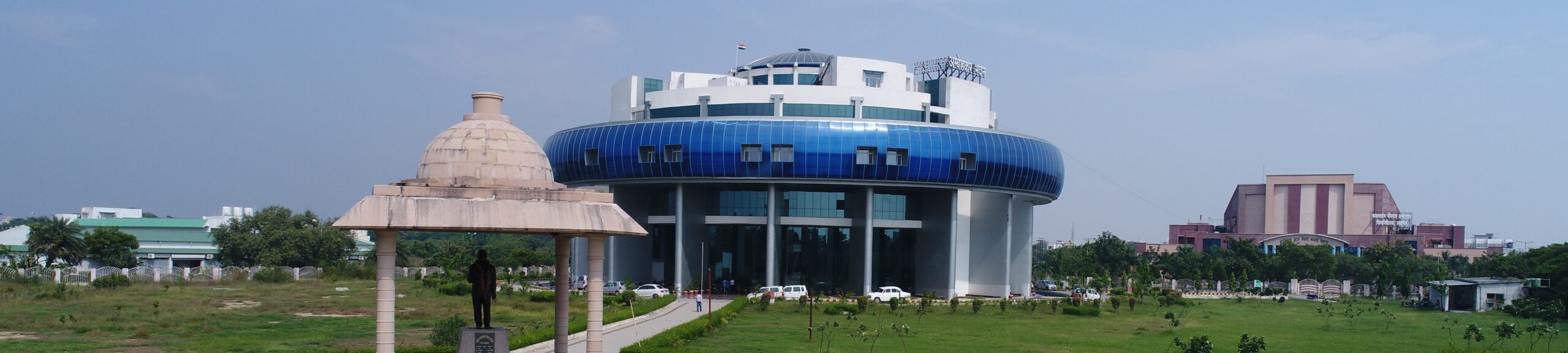
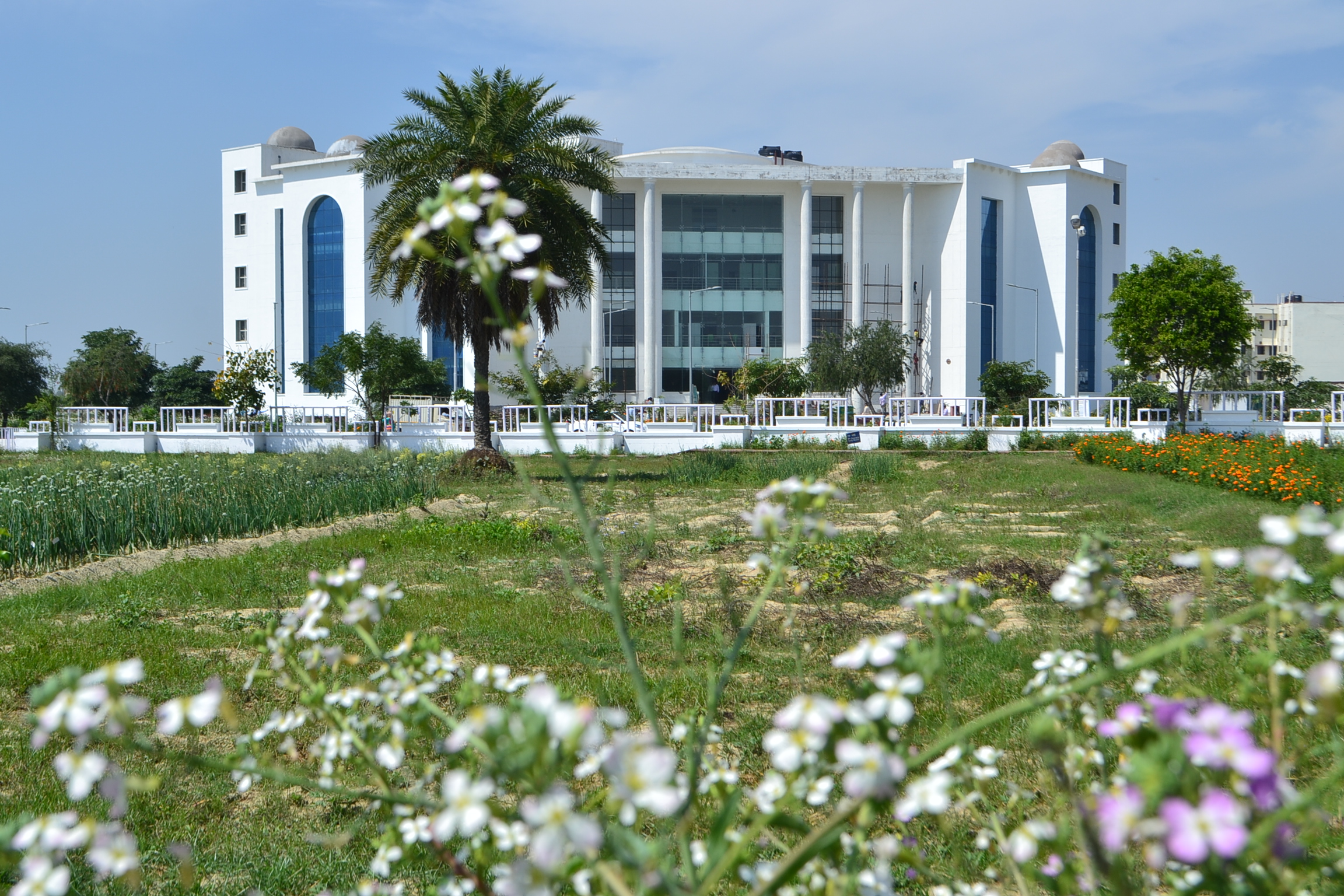
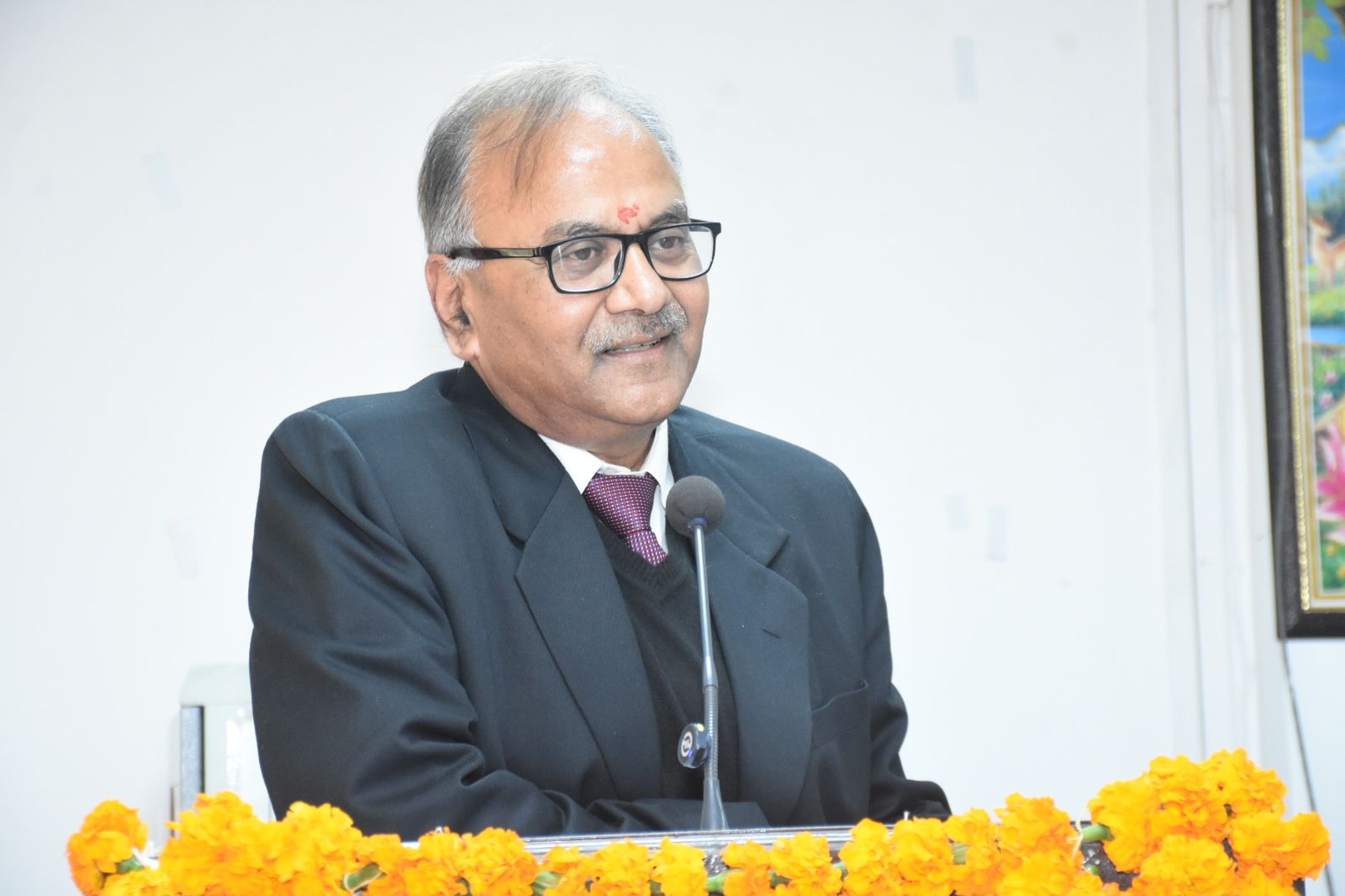
The university is rapidly progressing on the path of all-round development. Thanks to the tireless efforts of the Vice Chancellor, the university has achieved numerous milestones and is continuously progressing towards achieving its goals and direction, not only in the state but also globally. From manufacturing to teaching and research, the university has achieved efficient successes in significant subjects over the past year. New dimensions have been set by the university’s teachers and students. Even during the COVID-19 pandemic, its research papers and efficient management remained in the headlines.
Within a year, the University signed MoUs with several leading institutions of the country such as
The university’s UIET, which was a self-finance course till now, has now become a regular course for which the university has also received approval for 16 posts.
The new dynamic website was designed and inaugurated by the Computer Centre of the University on the auspicious occasion of the Foundation Day of the University on 10th January 2020 by the Vice Chancellor.
Due to the efforts of the Vice Chancellor, the ICT infrastructure of the University and the campus network and Wi-Fi services are being expanded at a rapid pace and this facility is also being started in the Amethi Centre of the University which is being done under the direction of the Computer Centre of the University.
A cell related to innovation, incubation and startup has been established in the university.
A roadmap has also been prepared for construction of new hostels and improving the infrastructure of the university.
To increase the outreach of the university, 115 entrance examination centres have been set up across the country.
UGC approval for recruitment to vacant posts of Professor, Assistant Professor and Associate Professor in the University.
The university has also implemented several academic reforms, most notably the full implementation of the CBCS system in 2019. Under this system, students have the opportunity to choose any subject beyond their core curriculum. Furthermore, a decision has been made to conduct PhD entrance exams twice a year.
NAD was implemented for the convenience of students. Thanks to NAD, university students can now download their academic documents from anywhere in the country at any time.
New guidelines have also been issued to maintain discipline in the university, the effect of which has been visible in this academic session.
Establishment of Yoga Centre in the University, Certificate Course in Yoga, New Course for Study of Sanskrit Subject, PhD Entrance Examination twice a year, Counselling Centre for Mental Health, Re-implementation of Residential Coaching.
The university’s Media Center has also been activated, working towards creating MOOCs. The Media Center has been assigned approximately 800 modules on human rights, economics, and political science for translation. These modules, written in English, will be translated into Hindi and broadcast on MHRD’s Swayam Prabha DTH channels and the CEC’s YouTube channel.
‘Students Orientation Programme’ was organised for the students at the university level and faculty level in which not only the new students but also their parents participated.
Every Wednesday is ‘No Motor Vehicle Day’ in the University.
Within a year, thousands of trees were planted, and free trees were distributed to the public. For the first time, schoolchildren were invited to the university to plant trees. A plant sales center has been established at the university to spread awareness about environmental protection and tree planting, as well as to provide high-quality seeds and plants.
A patent cell has also been created to patent new research. A research cell has been established to support research efforts.
For the first time, a Gender Sensitization Committee was formed which organizes programs from time to time in various departments and hostels of the university to make the students aware about gender equality.
Along with the formation of committees like Alumni Feedback, Alumni Representation, BPGS, various clubs are now being formed in the university for cultural programs. The team of ‘Ek Bharat, Shreshtha Bharat’ is also actively working to ensure the all-round development of the students by making them aware about the various cultures and arts of India.
The university’s ranking among Indian academic institutions has improved significantly. According to the Nature Index, which ranks Indian academic institutions, the university’s ranking has risen from 92nd to 85th in 2019.
The university’s NIRF ranking has improved significantly this year. In 2019, BBAU was ranked above 200.
The Vice Chancellor of the University, Prof. Sanjay Singh has been awarded the Honorary Colonel rank and the title of Colonel Commandant – National Cadet Corps by the Government of India.
The university has been included in the top 10 central universities of the country. BBAU is also included in the top 3 central universities of the state. The Ministry of Education has released the annual report of 40 central universities. According to this report, Babasaheb Bhimrao Ambedkar University is ranked ninth best among central universities across the country.
The university boasts an ISO 14001-certified campus, complying with international green building standards. The audit was conducted by Paramarsha, an independent environmental assessment agency. The green audit focused on the university’s implementation of green campus initiatives, waste management, water management, and energy management.