


About US

About Us
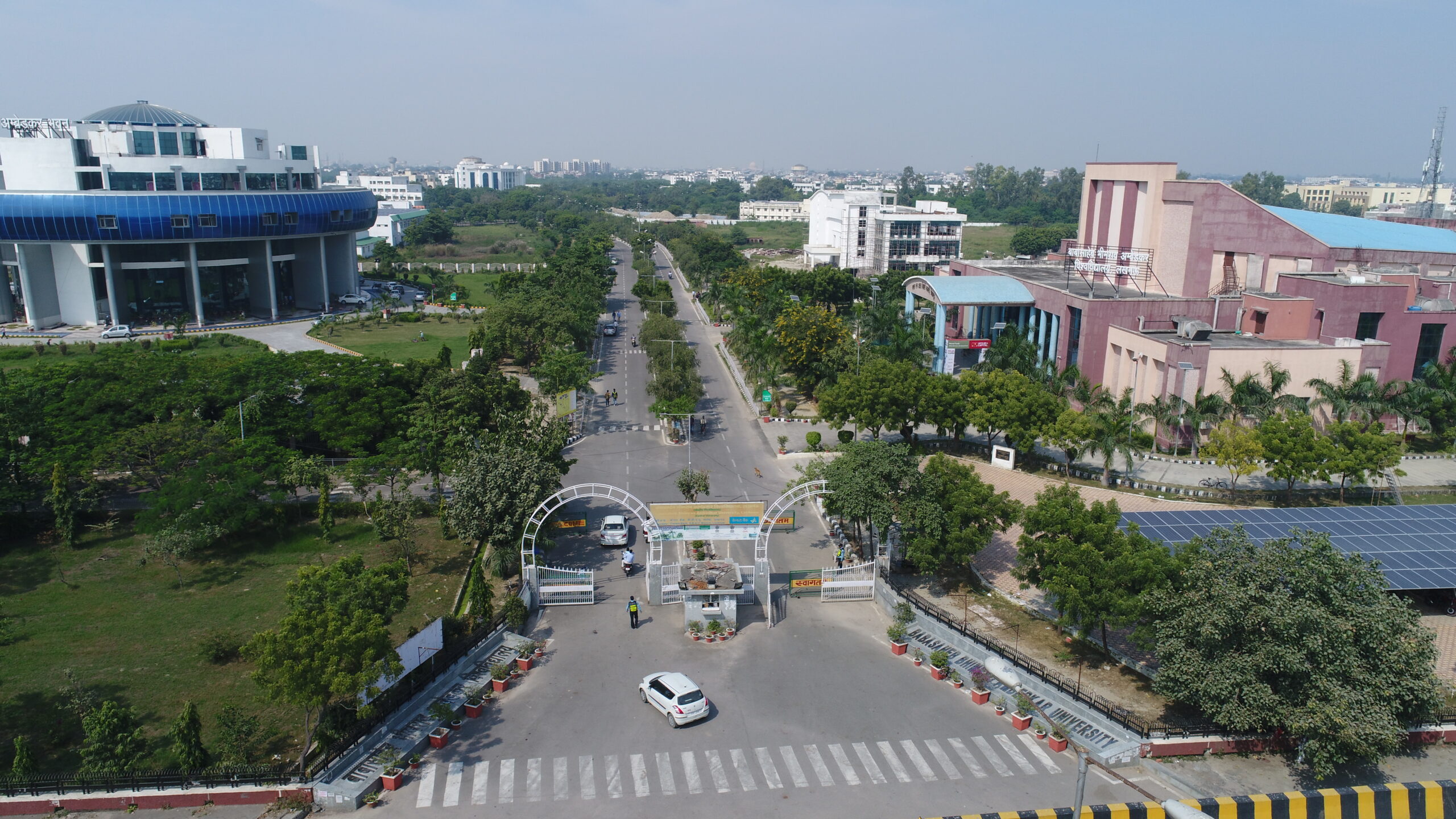
Babasaheb Bhimrao Ambedkar University (BBAU) was established under the Babasaheb Bhimrao Ambedkar University Act, 1994 (Act No. 58 of 1994), passed by the Parliament of India. The University came into existence on 10 January 1996 through the Government of India, Ministry of Human Resource Development, Department of Education, Notification No. 8-16/GOI/Desk/U-1 dated 05 January 1996.
The University’s vision, philosophy, and policies are enshrined in the University Act and Statutes. It offers undergraduate, postgraduate, and research programmes designed to equip students with the knowledge, skills, and values required to excel as responsible professionals and contribute meaningfully to society.
Babasaheb Bhimrao Ambedkar University is committed to academic excellence, social justice, and inclusive education. Inspired by the ideals of Bharat Ratna Dr. B. R. Ambedkar, the University promotes equality, innovation, and interdisciplinary research while drawing upon the cultural, intellectual, and economic resources of Uttar Pradesh and other parts of India to strengthen its educational and research programmes.
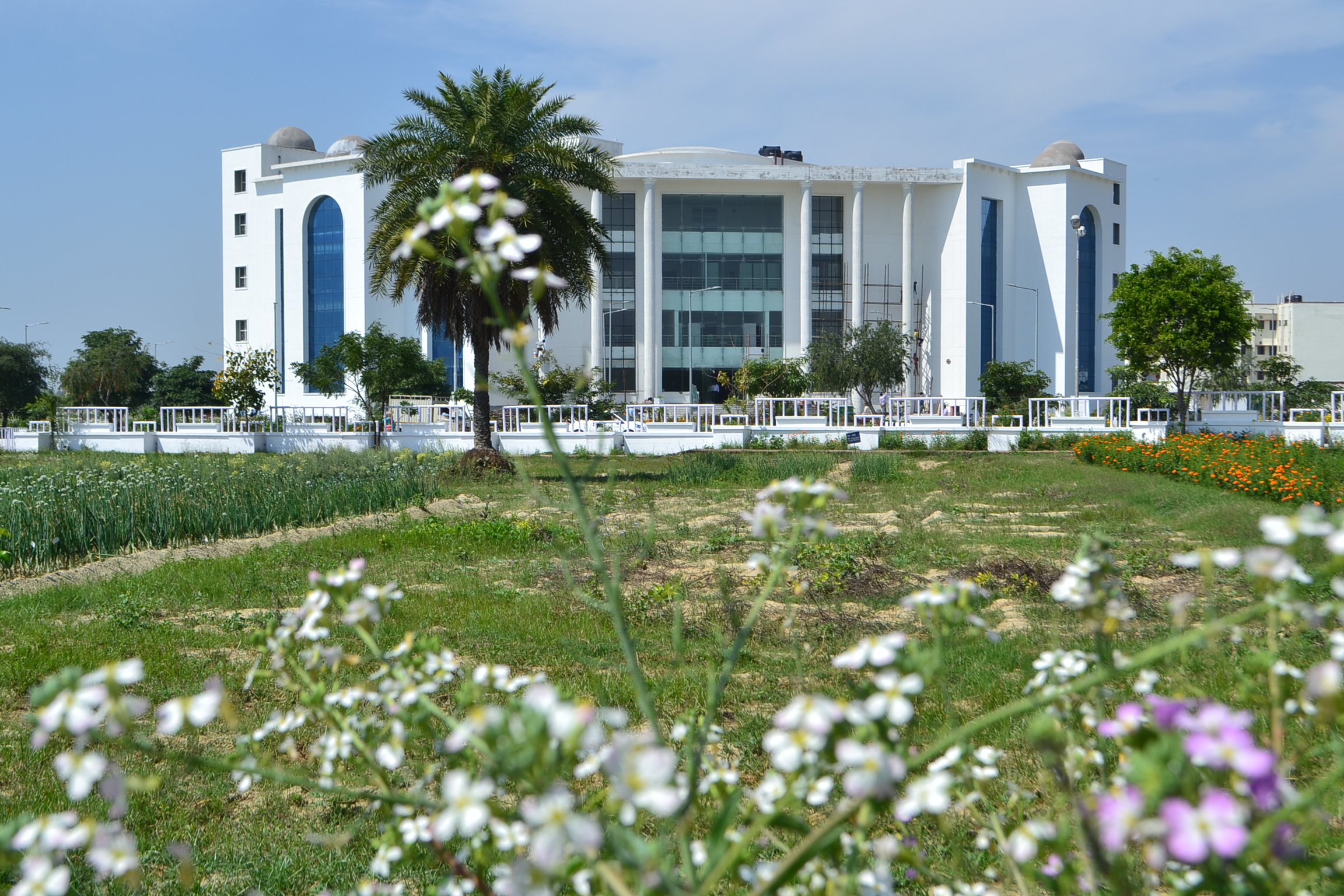
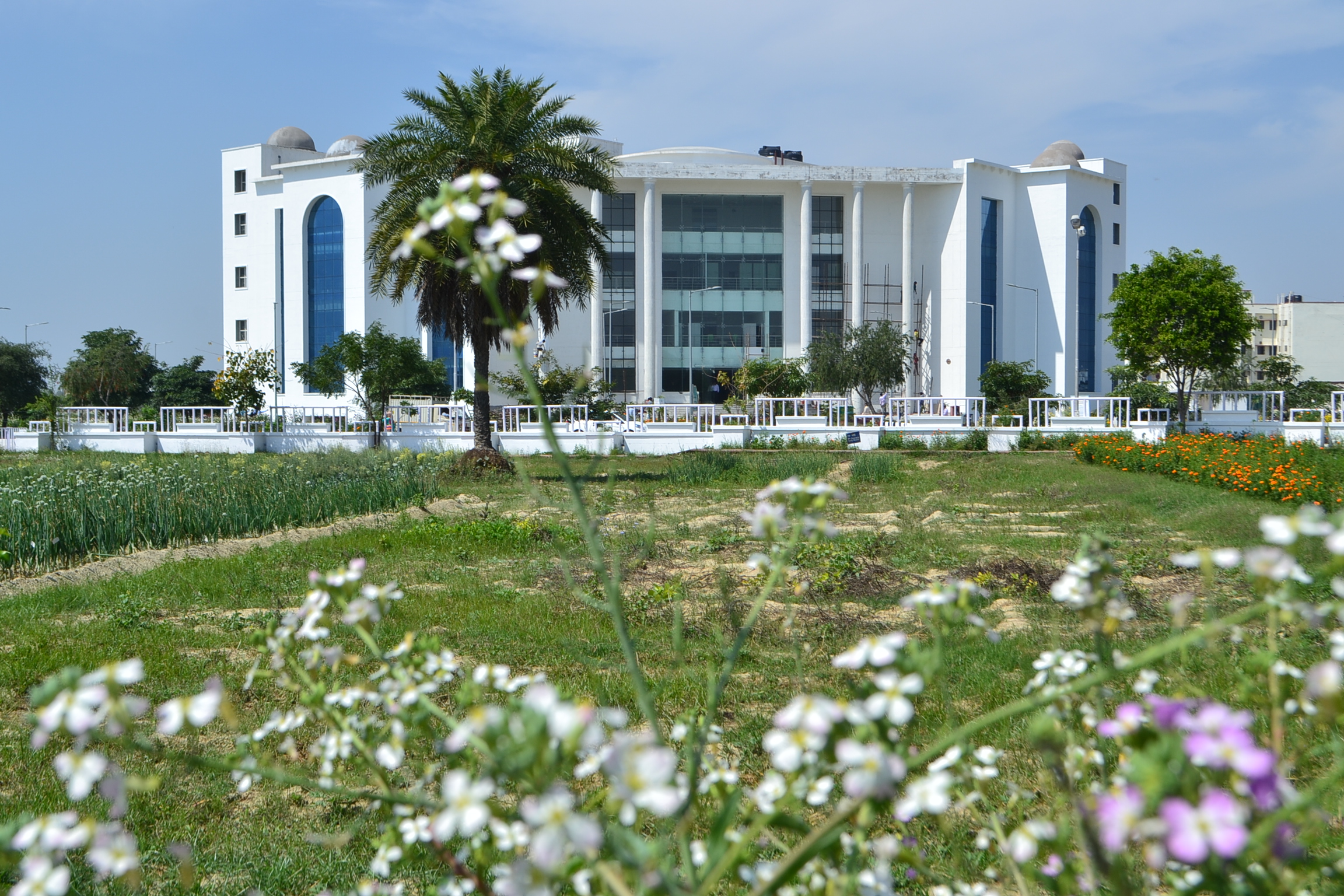
Our University is committed to preparing students, particularly from the rural regions of Uttar Pradesh and other parts of India, including those from marginalized communities, to become leaders in an increasingly complex world.
The University offers inclusive and society-oriented programmes across the disciplines of Humanities, Sciences, Engineering, Agriculture, Biotechnology, Business, Law, Education, and Environmental Sciences. These highly regarded degree programmes provide students with the freedom to explore their intellectual and personal growth. The faculty members of the University discharge their responsibilities conscientiously, share leadership in a democratic spirit, and uphold the highest standards of public trust.
The University strives to fulfil the objectives of its establishment. It reserves 50 percent of the seats in all courses for students belonging to the Scheduled Castes (SC) and Scheduled Tribes (ST). In accordance with Government of India directives, the University also reserves 10 percent of the seats for candidates belonging to the Economically Weaker Sections (EWS). Fee exemptions are provided to eligible SC and ST students enrolled in regular programmes, and financial assistance is offered for dissertation and thesis preparation.
The University also has a satellite campus at Amethi, established in 2016. The Gautam Buddha Central Library is a fully air-conditioned facility housing approximately 50,000 books and more than 10,000 online journals, along with departmental libraries that support teaching and research. The University offers 99 academic programmes, including Diploma, Integrated Postgraduate, Undergraduate, Postgraduate, M.Phil., and Ph.D. programmes, at both the main campus and the Amethi satellite campus.
The University has a Health Centre with round-the-clock medical facilities. It also provides residential accommodation for students and faculty members. To support student development, the University has established a Centre for Personality Development, Residential Coaching Programmes, and a Remedial Coaching Centre. A Student Activity Centre is also under development.
In the coming years, BBAU plans to undertake several initiatives aimed at environmental conservation, academic excellence, and international collaboration. These include developing globally competent graduates, strengthening leadership across academic and administrative units, promoting sustainable development through rainwater harvesting and tree plantation, and expanding research collaborations. The University also plans to establish a community radio station for the dissemination of educational, informational, and community-oriented programmes.
Objectives
- To promote learning and provide instructional and research facilities of standard quality in higher education.
- To provide integrated programmes in Science, Technology, Medical Sciences, Agricultural Sciences, Social Sciences, Legal Studies, Management, Humanities, and allied disciplines, while promoting research in frontier areas of knowledge.
- To promote innovation in the teaching-learning process through interdisciplinary studies and research across the University’s academic programmes.
- To provide quality education with special emphasis on the educational, social, and economic development of marginalized communities, particularly students belonging to the Scheduled Castes and Scheduled Tribes.
- To promote the ideals and principles advocated by Babasaheb Bhimrao Ambedkar, including national integration, social justice, democratic values, and constitutional awareness.